Salt Marshes: “Nurseries of the Sea”
By Adam Marshall Class of 2027
Introduction
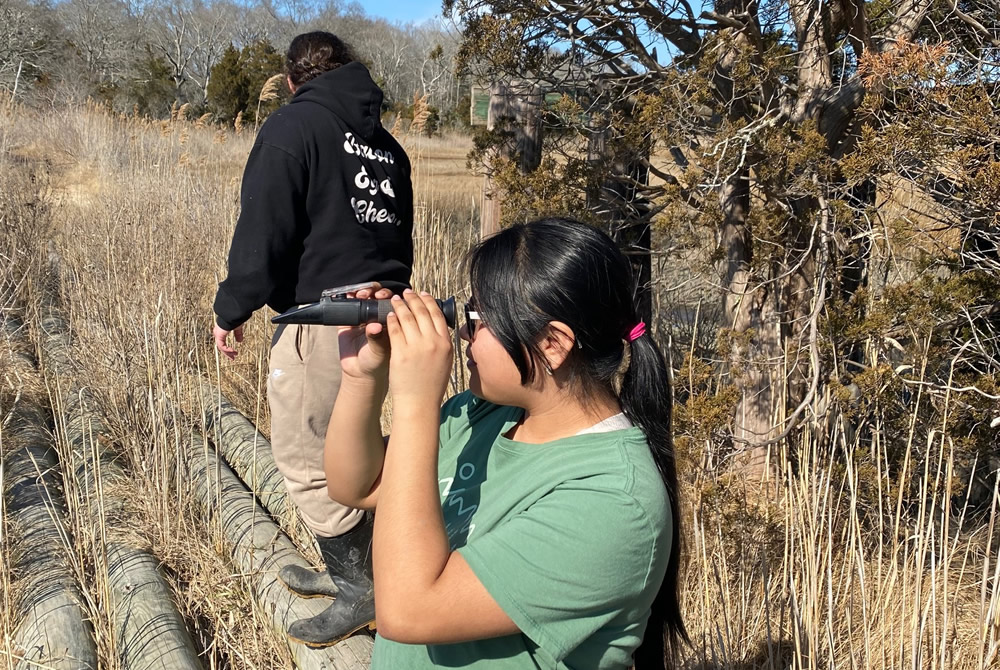
Salt marshes are coastal wetlands that are flooded and drained by saltwater brought in by ocean tides. They are often found near bays/coasts. There are acres of these marshes behind LCMR junior high along this pathway. They are often coined ‘Nurseries of the Sea’ as they maintain healthy fisheries, coastlines, and communities, since they provide food and nursery grounds to more than 75% of coastal fishery species that include shrimp, crab, and many finfish. Salt marshes are important because they support marine life with things like food and shelter, protect coastlines, and help the environment.
Main Explanation
Salt marshes act as protection and nutrient-dense nurseries for many fish species, particularly when they’re in the stage of development for when they’re entering an ideal habitat for rapid growth and survival. There is decomposing vegetation and sediment called peat which provides the fish with a surplus of nutrients (peat is the rotten egg smell). Salt marshes protect shorelines from erosion by cushioning wave/tide action and trapping sediment as well. These marshes also decrease the chances of flooding, as they act as a sponge to absorb rainwater. The salt marshes also clean water by catching runoff and breaking down the surplus of nutrients. Unfortunately, due to construction and development, there has been an immense amount of habitat loss, and wetlands in coastal watersheds declined from 360,720 acres to 80,000 per year from 2004 to 2009. Damaged wetlands need more attention and must be restored to keep the ecosystem and Jersey shore safe and habitable to prevent flooding.
Conclusion
Overall, the salt marshes surrounding LCMR are a huge part of the coastal ecosystem and benefit wildlife and the communities nearby. Understanding and protecting these marshes helps not only New Jersey’s coastal habitats, but also the economy, as there is no seafood without these marshes. These marshes are extremely important to the communities down here, and preserving them helps future generations living down here, not only humans but fish and other sea life as well.
References
|