LCMR Environmental Field Station
by Jessica Birchler, Adeline Pacevich- Class of 2027, and Melissa Maahs- Class of 2026
Introduction
Biological field stations are living laboratories or outdoor classrooms which are for researchers, students, and even the general public. These field stations and laboratories can vary in form and purpose, these stations are infrastructures which help make science and learning easy and effective. These outdoor laboratories get students outside and allow them to experience hands-on learning, and spread a better and deeper understanding of our Earth. Along with promoting the citizens in the area to go out and enjoy nature while getting educated on the local environment. Environmental field stations all share the commitment of advancing the knowledge about Earth through the support of research, teaching, and public education.
Main Example
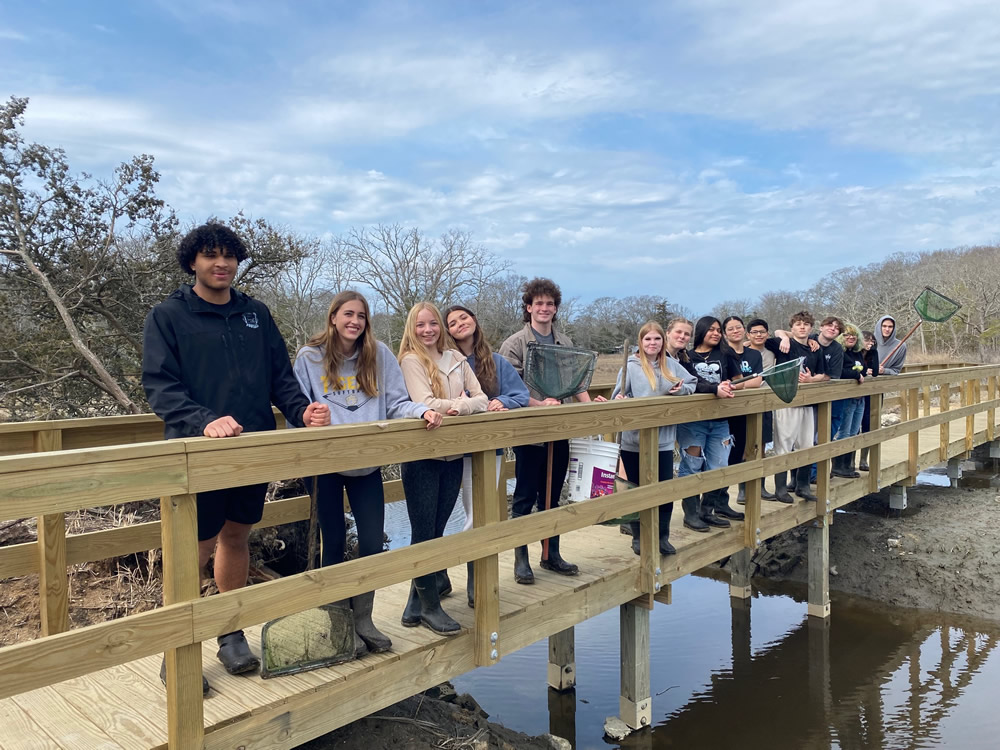
This environmental field station at the Lower Cape May Regional campus will encourage students to follow research and innovation initiatives to address pressing environmental challenges, like climate change, which affects their home ecosystem. This ecosystem includes salt marshes, forests, and more recently ghost forests, as sea levels rise and spread fervently. This environmental field station not only encourages students to problem-solve when faced with real environmental threats, but it also offers them the chance to explore science disciplines and enables students and their communities to access, interpret, and contribute to environmental science and engineering research. They would be addressing a gap in the existing scholarly conversation, regarding the effects of rising sea levels on coastal ecosystems, by providing observations, insights, and data on the local environment of Lower Cape May. This would serve to provide future researchers with ideas of how to carry forward with their own studies on ecosystems, similar to that of Cape May, so that scientists may be able to eventually resolve a broader conclusion and solutions regarding how to minimize the deterioration of coastal ecosystems by climate change.
References
How We Use This Area
by Travis Davis- Teacher of Biology
Projects and classes utilizing the LCMR Environmental Field Station involve a variety of activities and research. Long-term studies carried out by students year after year will include recording water levels using a scientific-grade water level monitoring system in the creek here and correlating it with data from a state-of-the-art weather station mounted to the top of the school. Students can track data day-to-day, year-to-year, and even decades into the future. Students will also carry out transect studies to monitor the species utilizing the areas of the marsh, forest, and the transition zone to look at the potential impact of sea-level rise on the local wildlife.
Goals for the future include a viewing platform with benches for students to sit and study. Whether it is compiling scientific data, working on a painting, or writing a poem about nature, this could be a quiet place in the outdoors to create and reflect. |